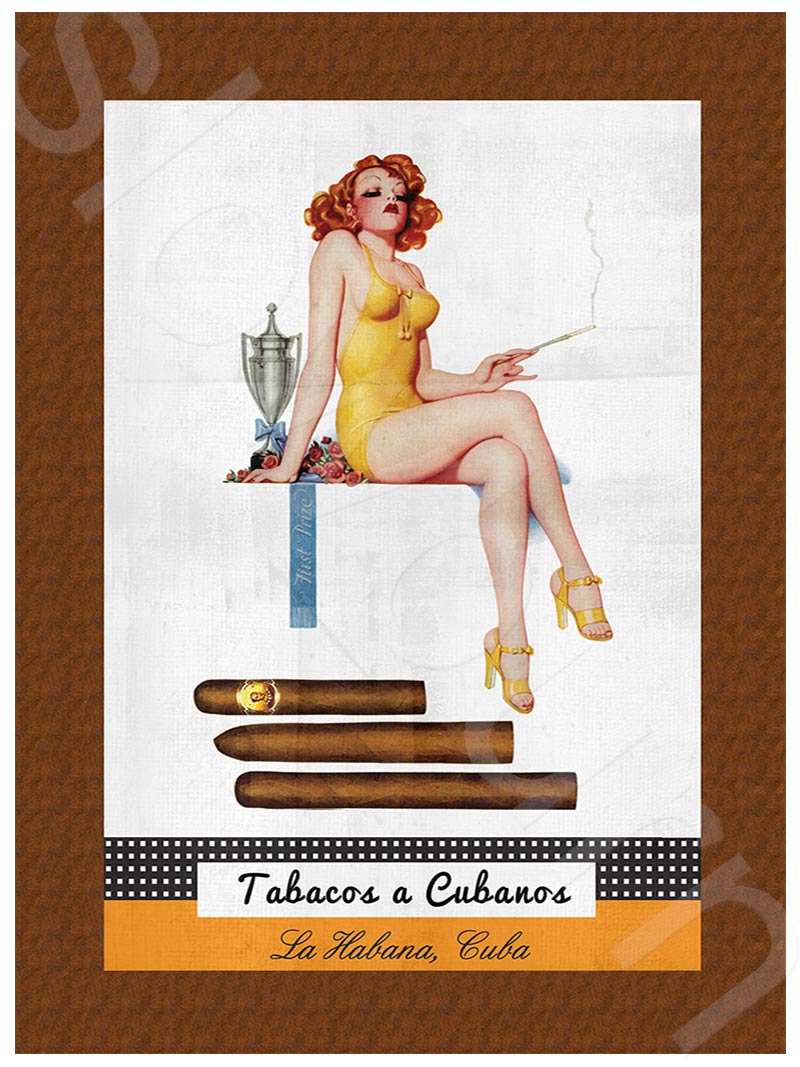
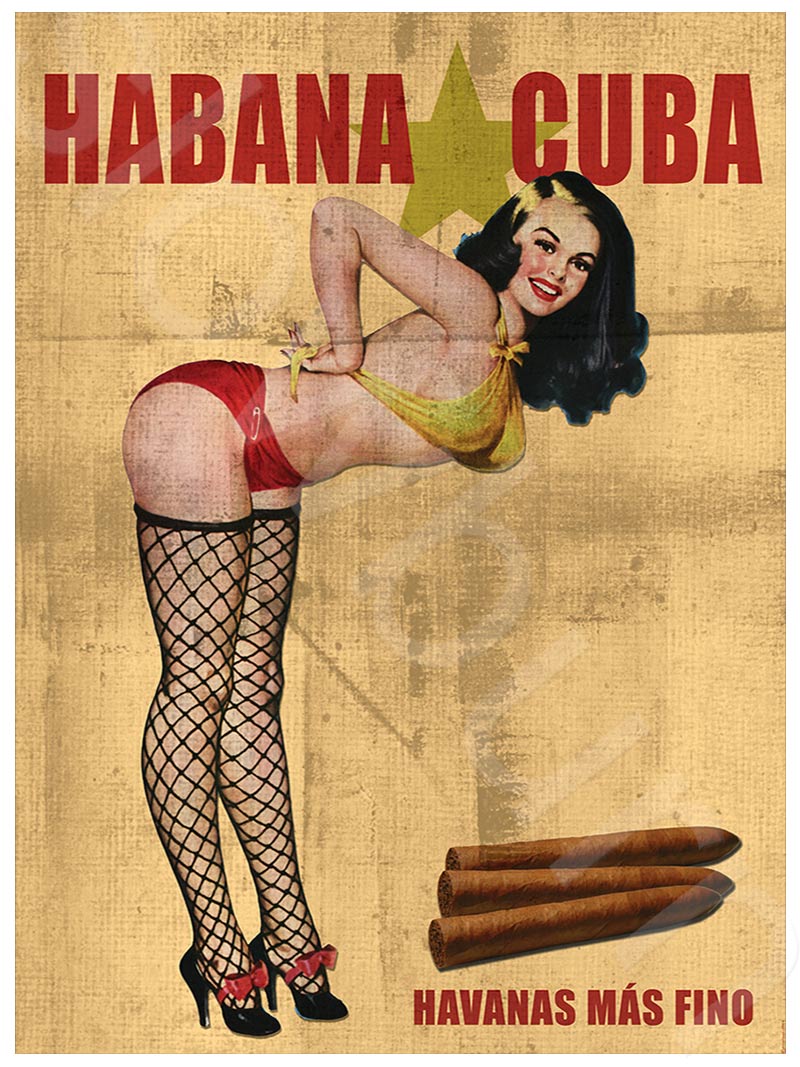
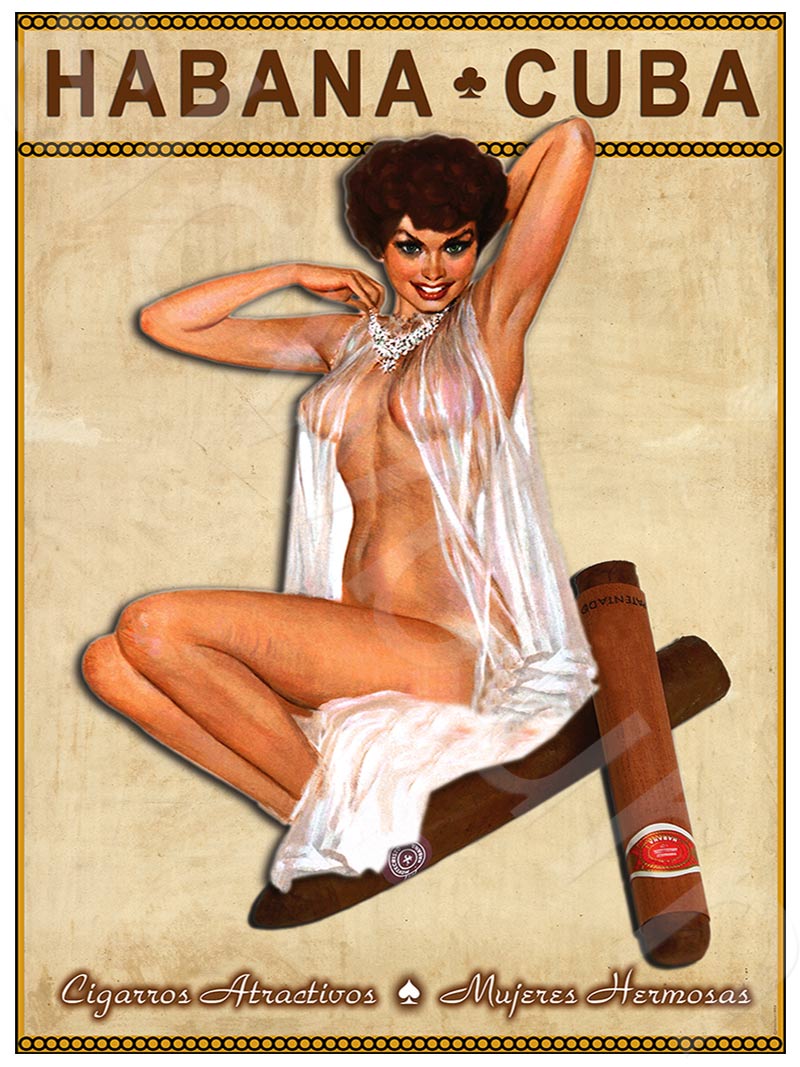
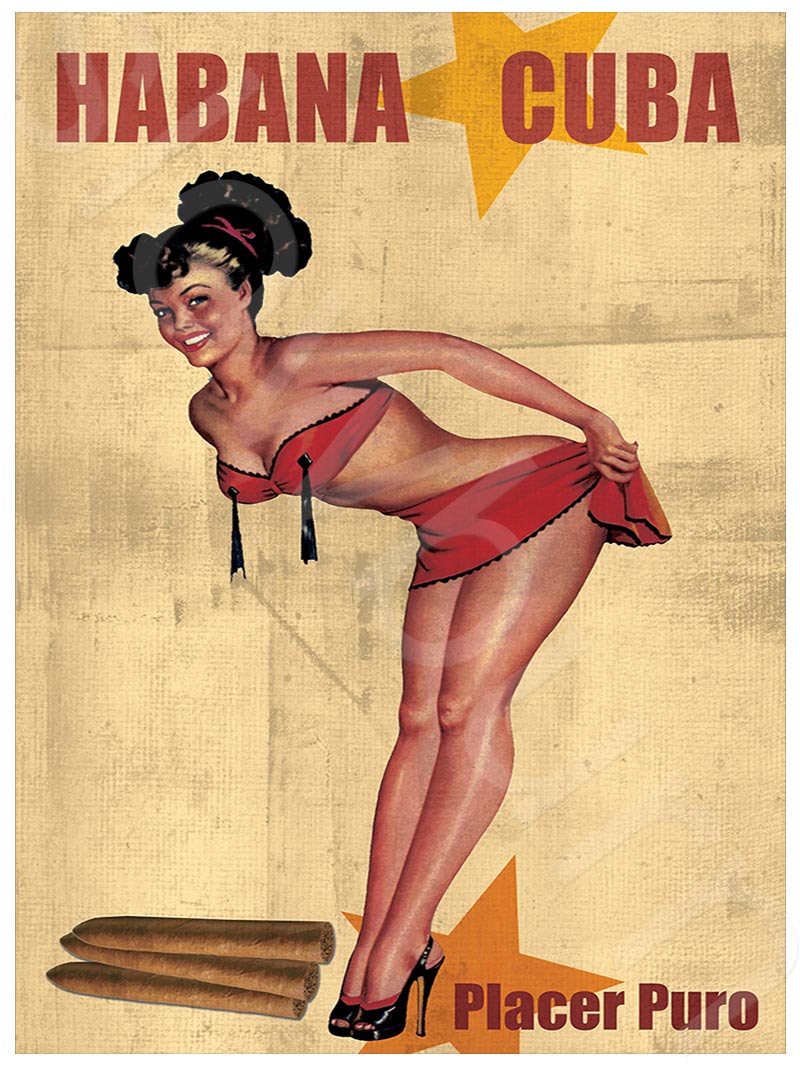
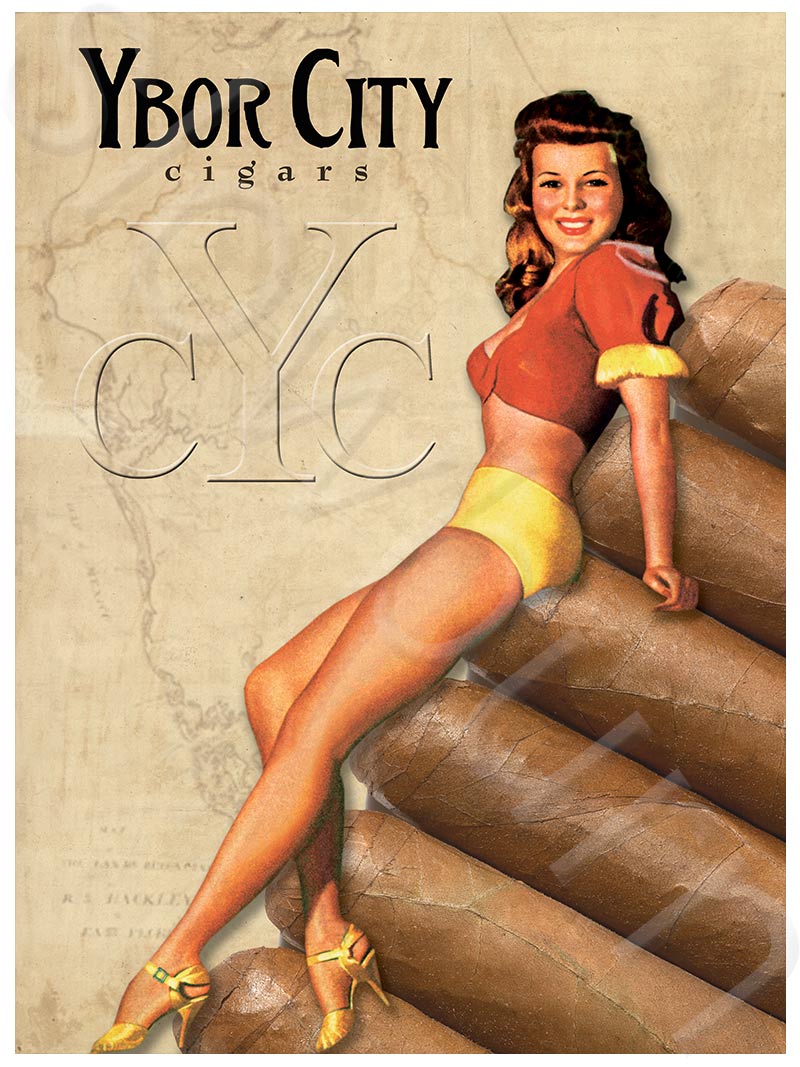
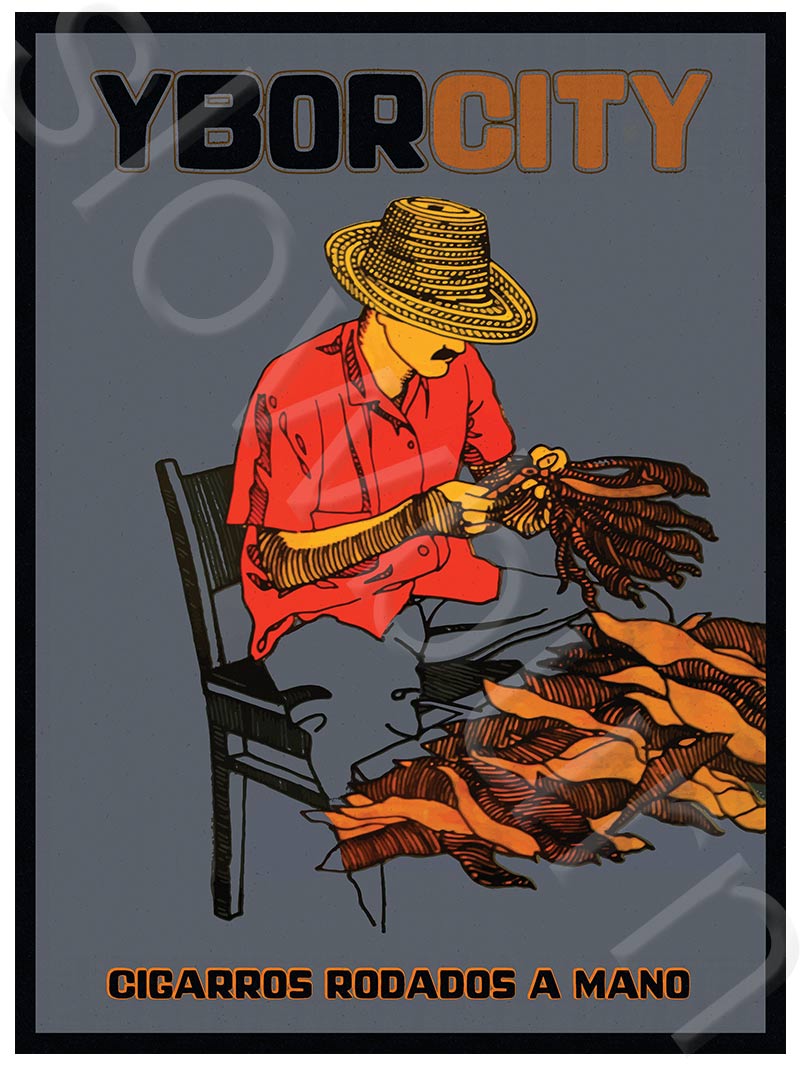
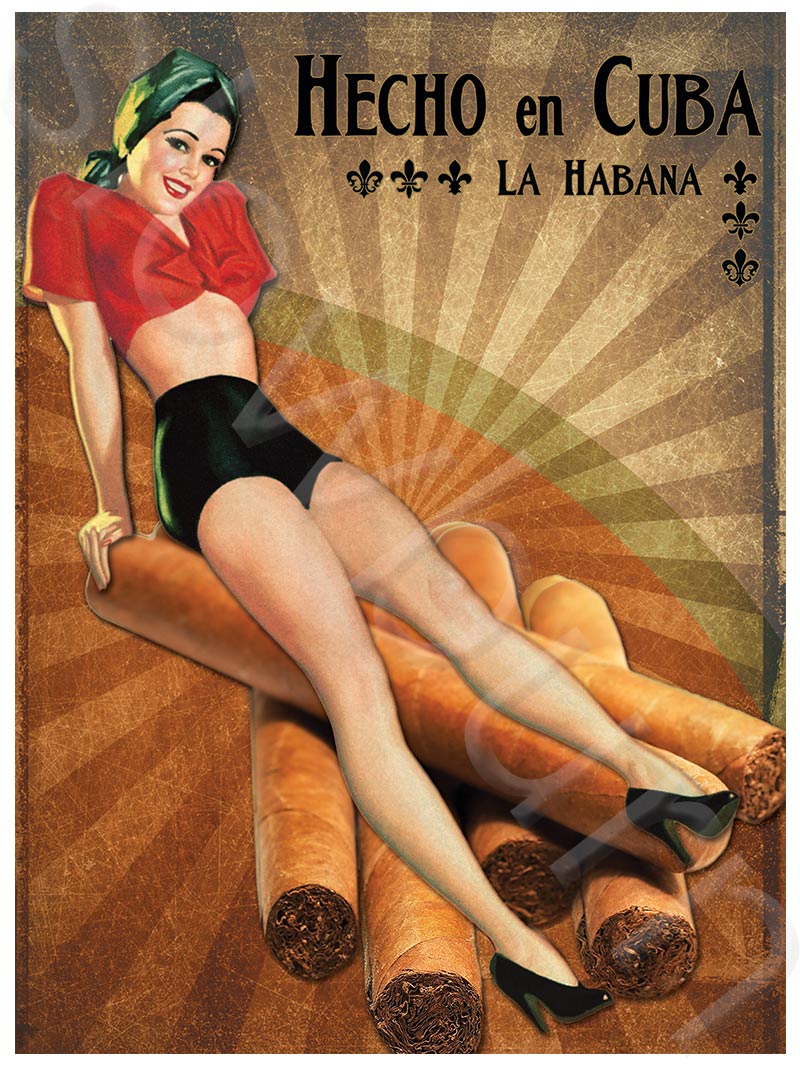
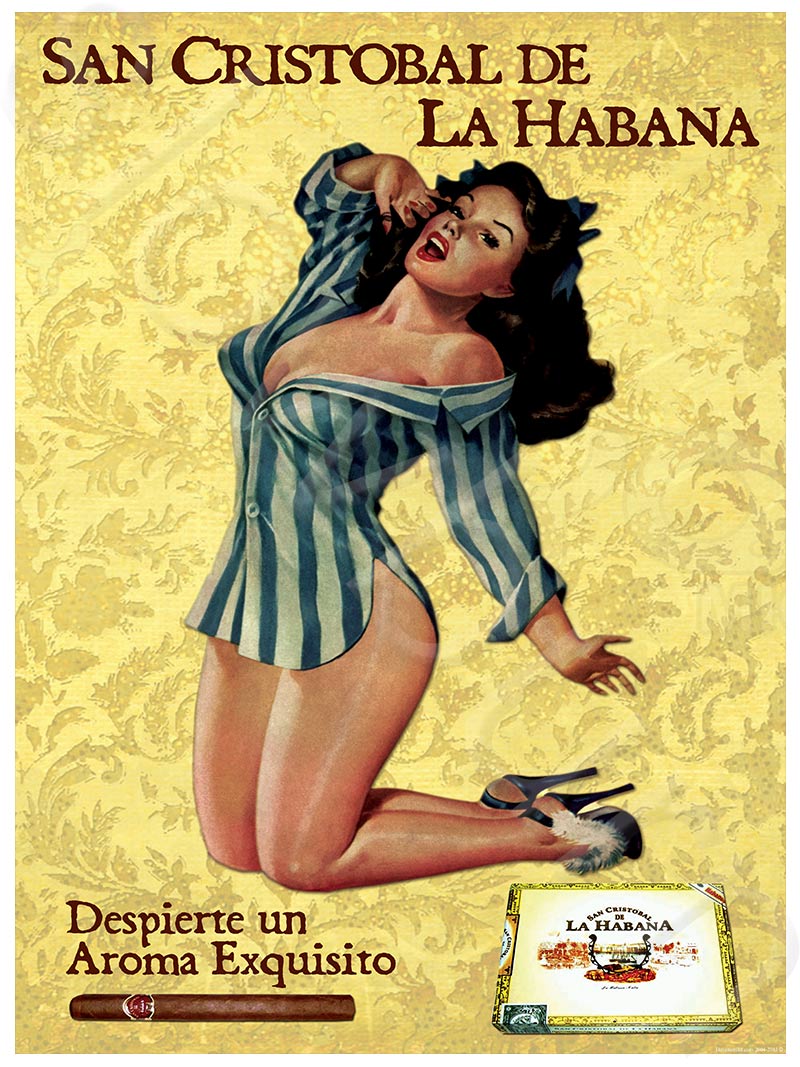
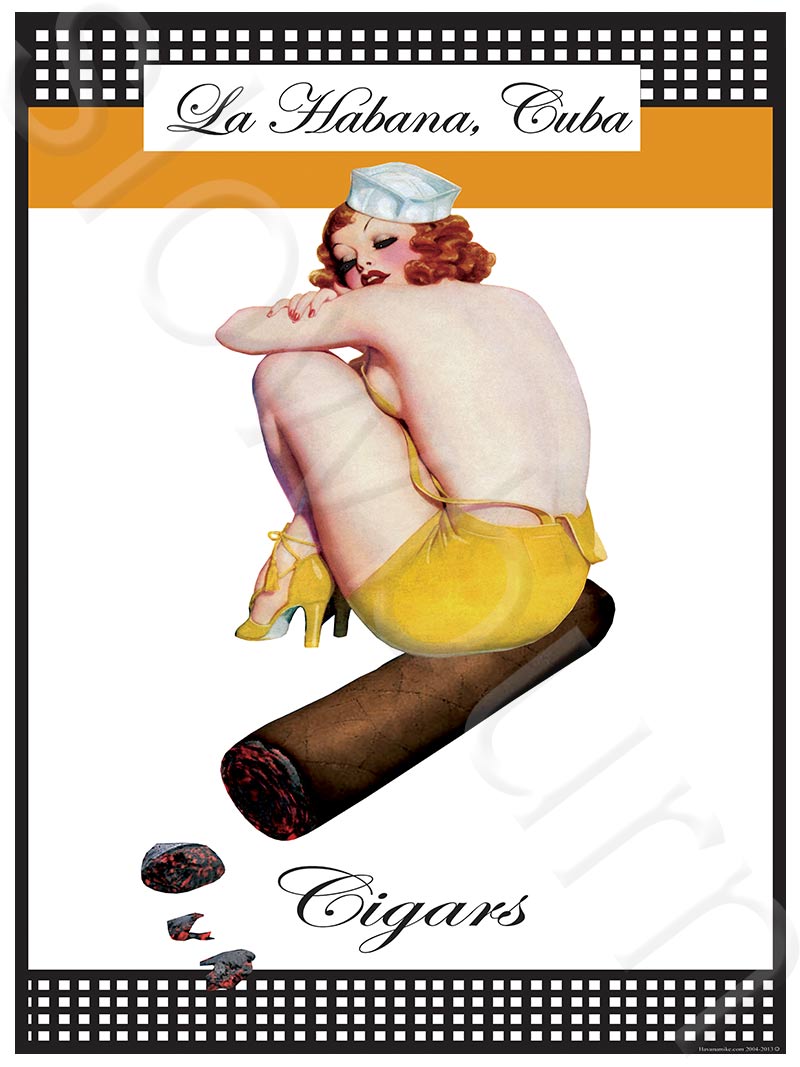
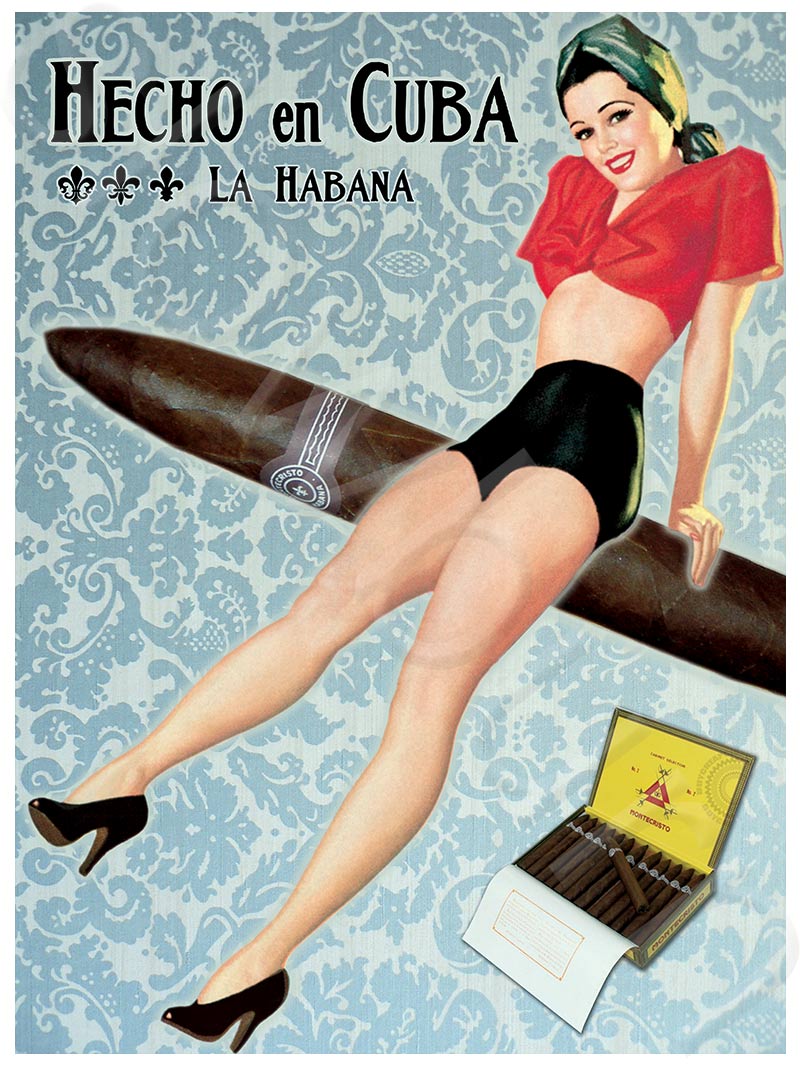
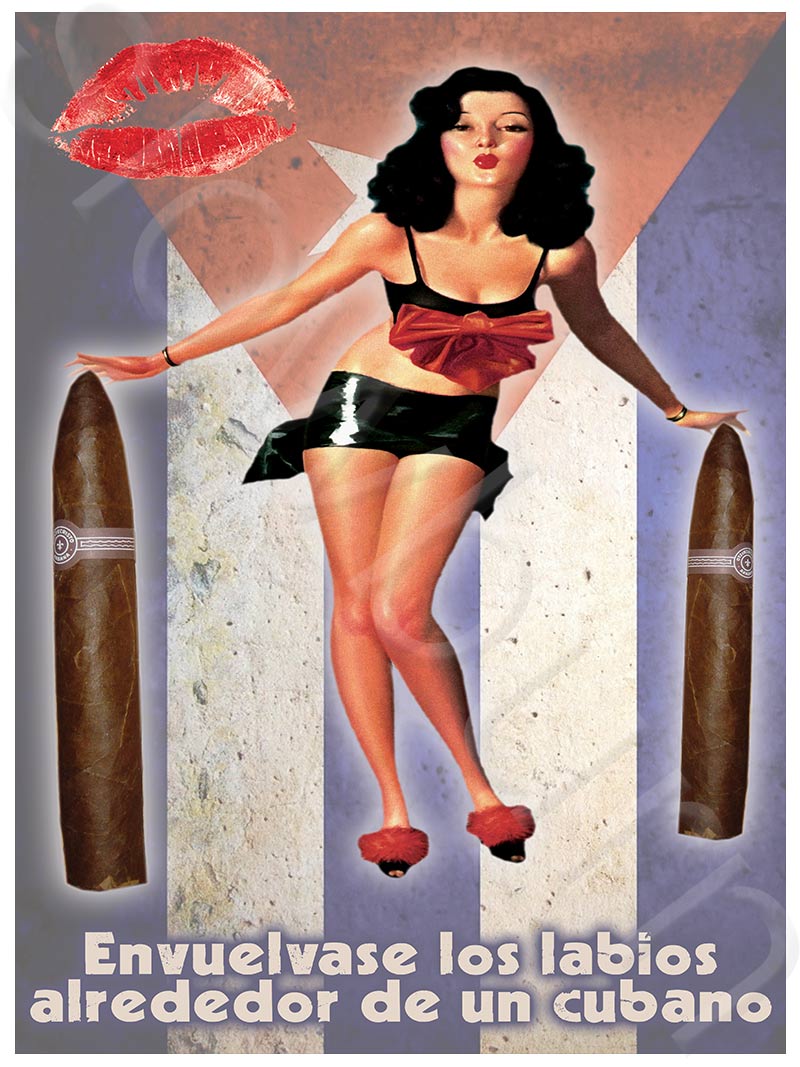
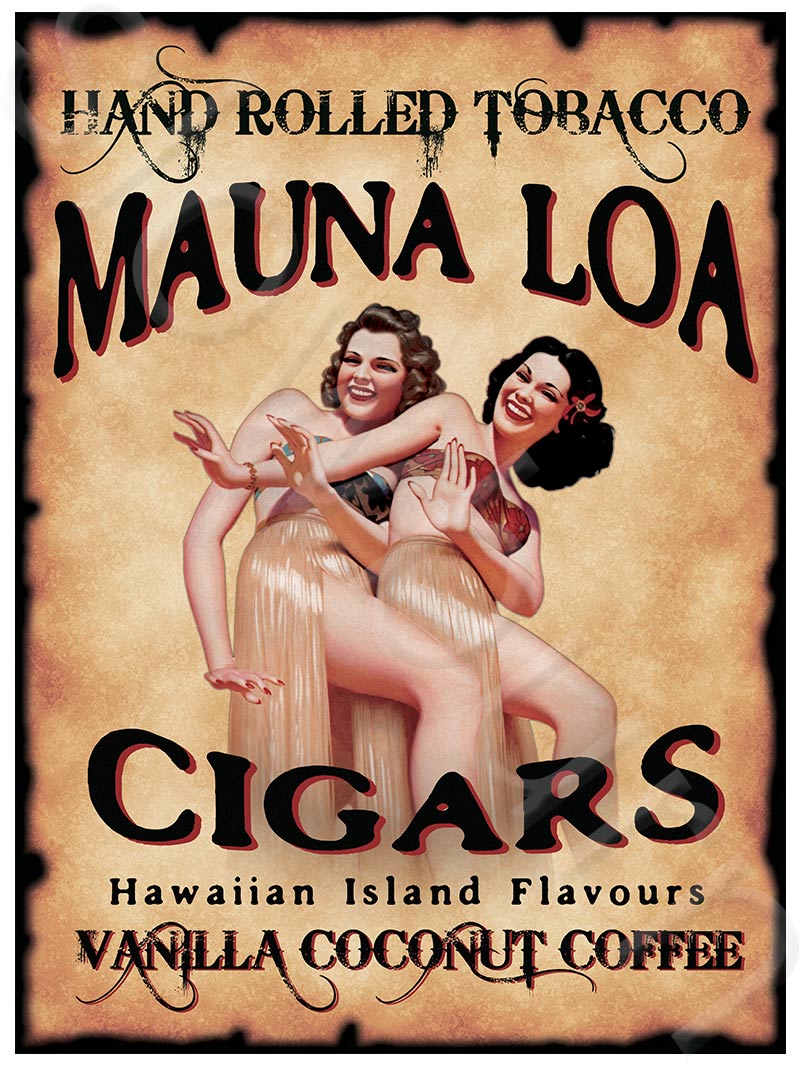
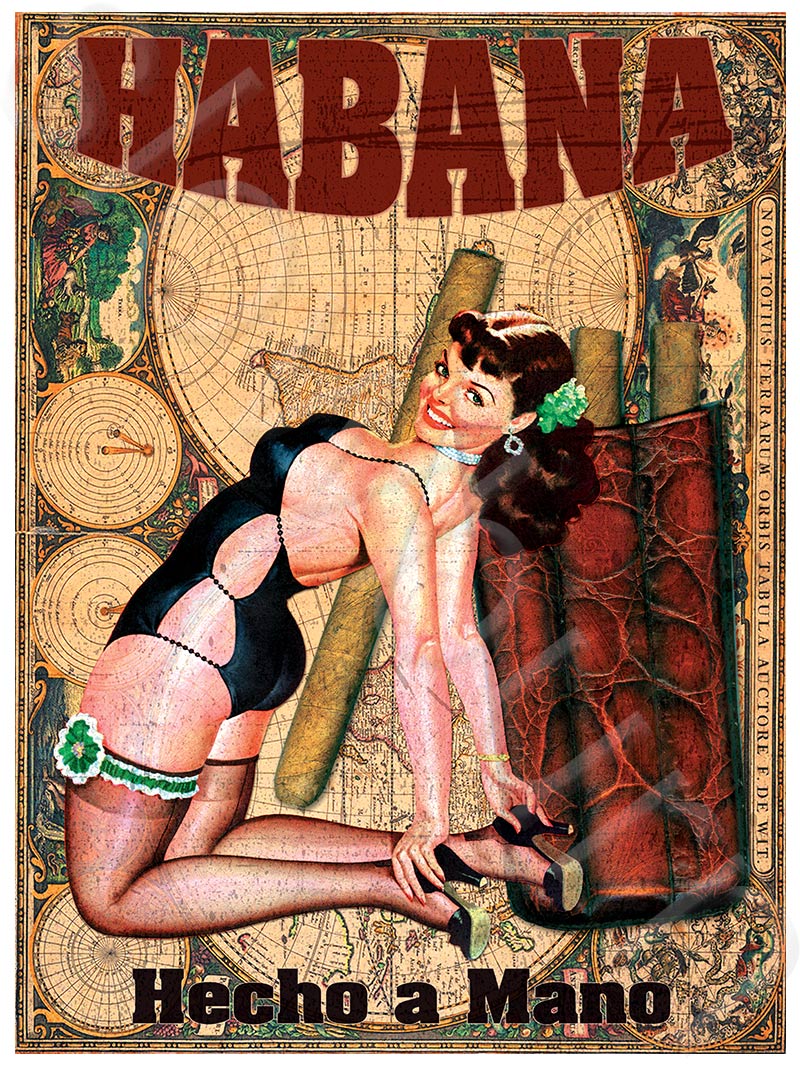
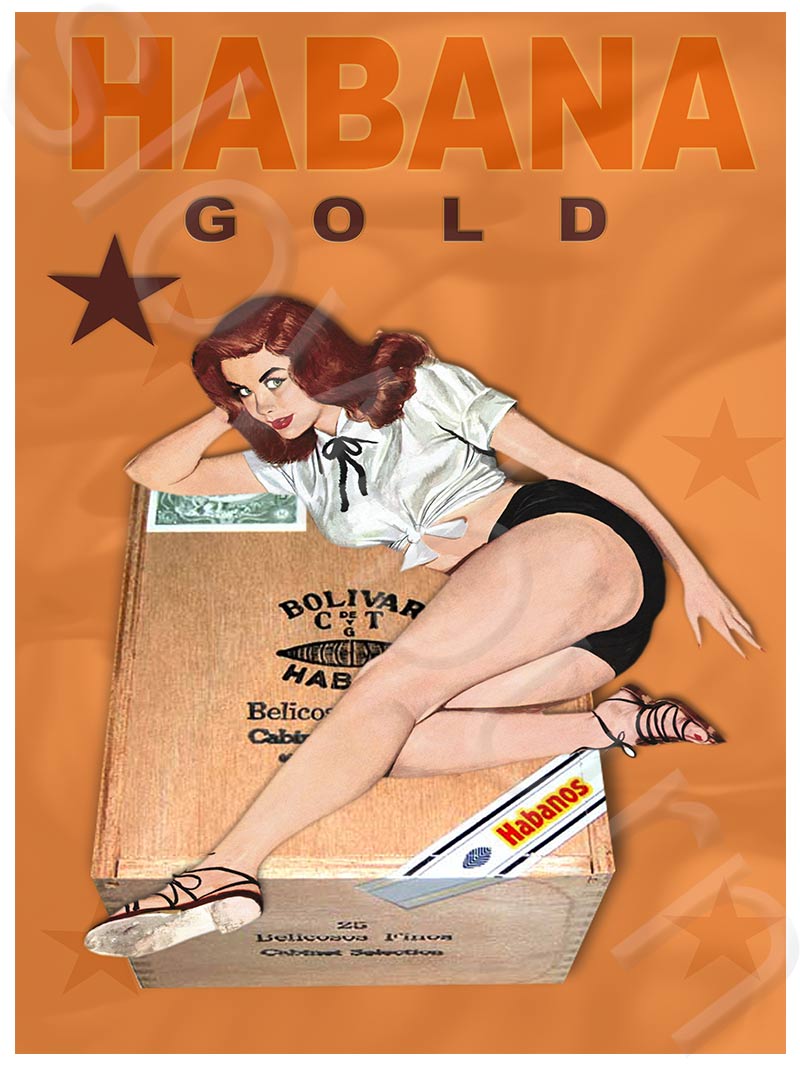
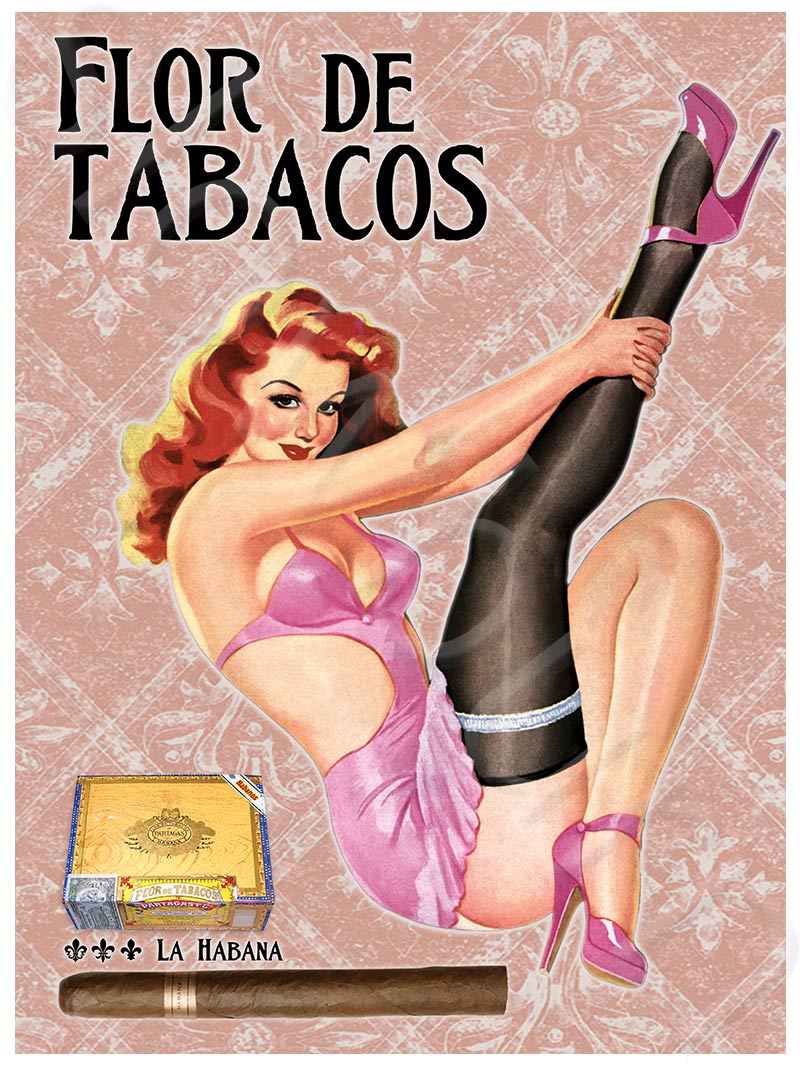
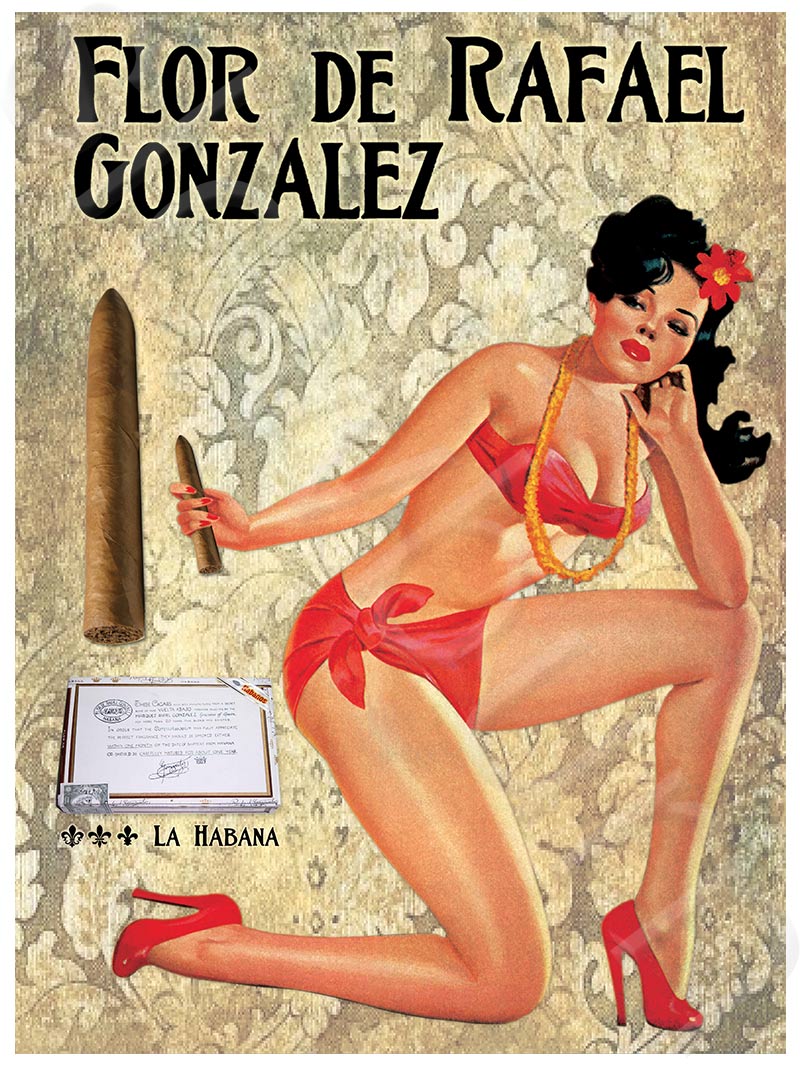
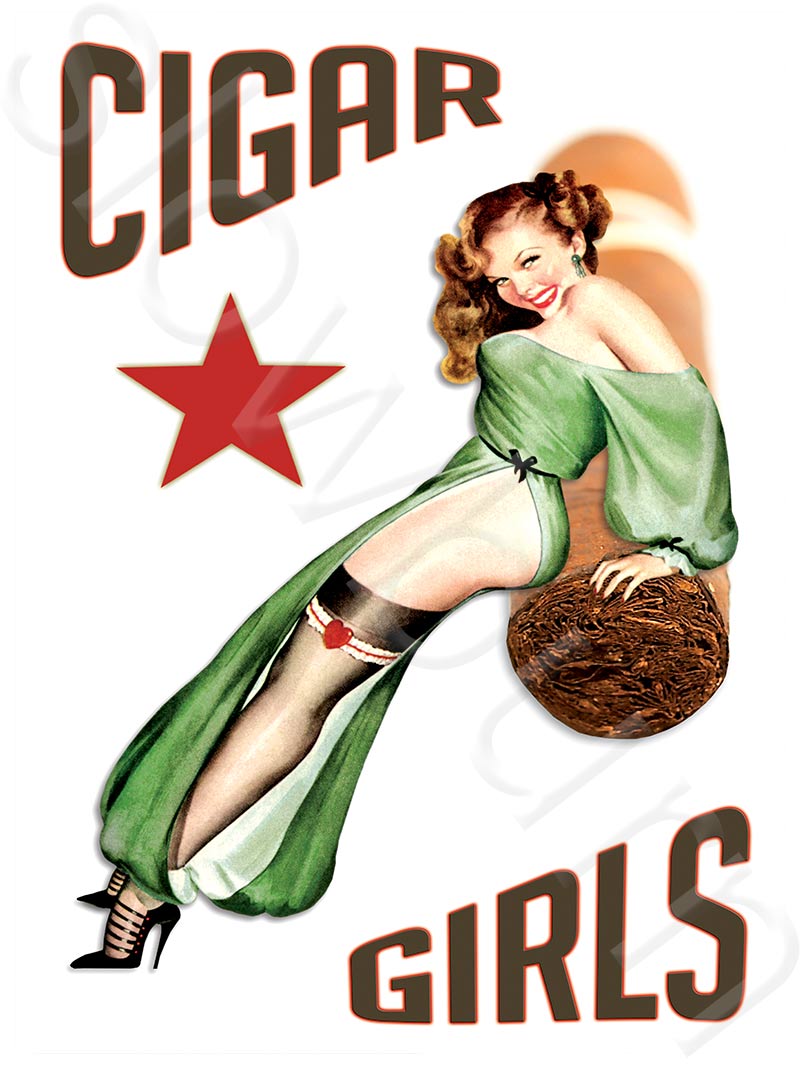
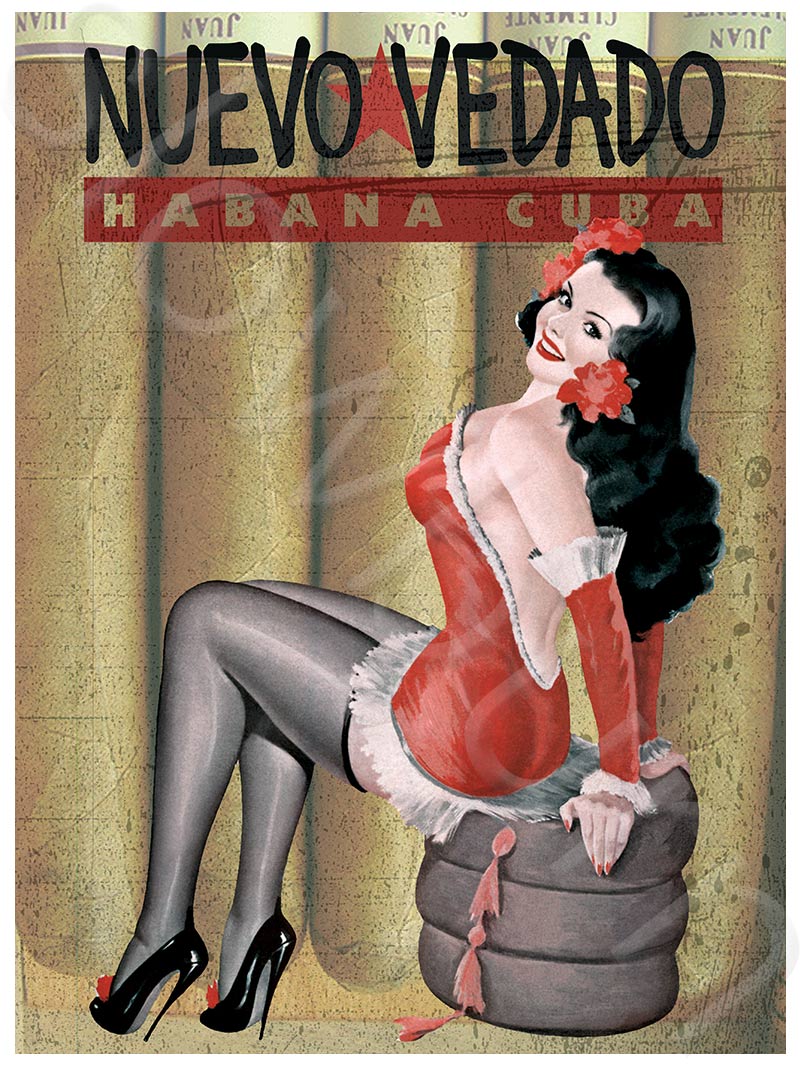
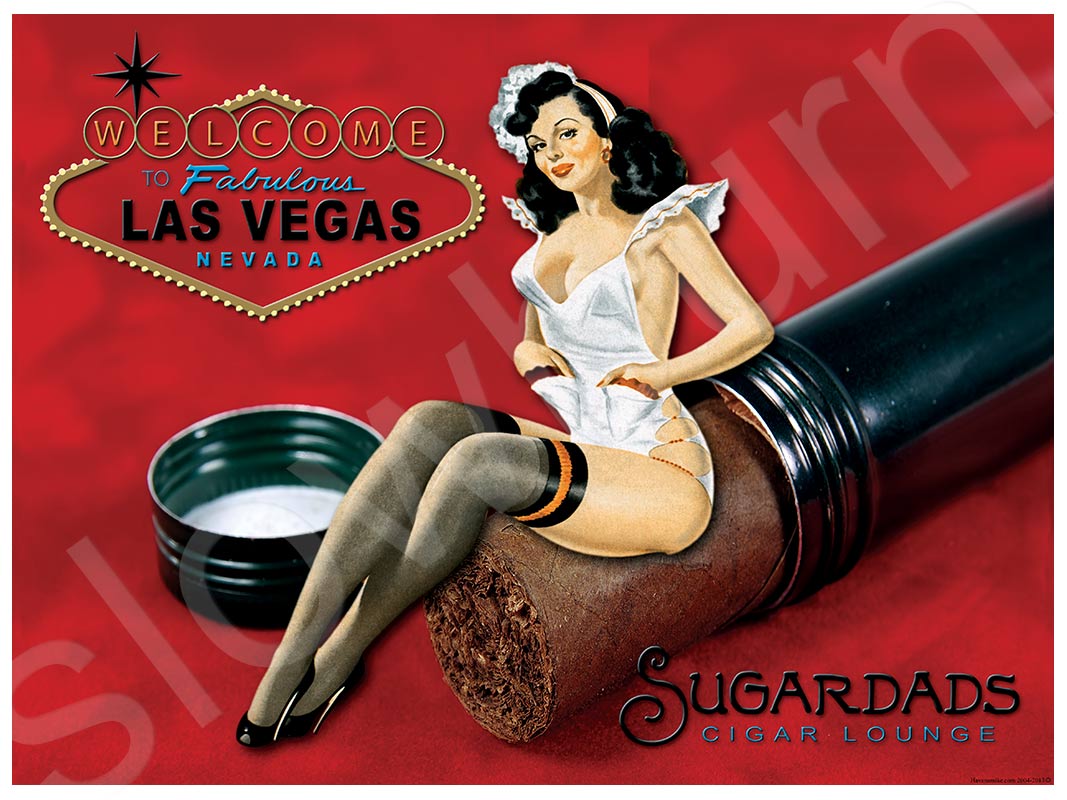
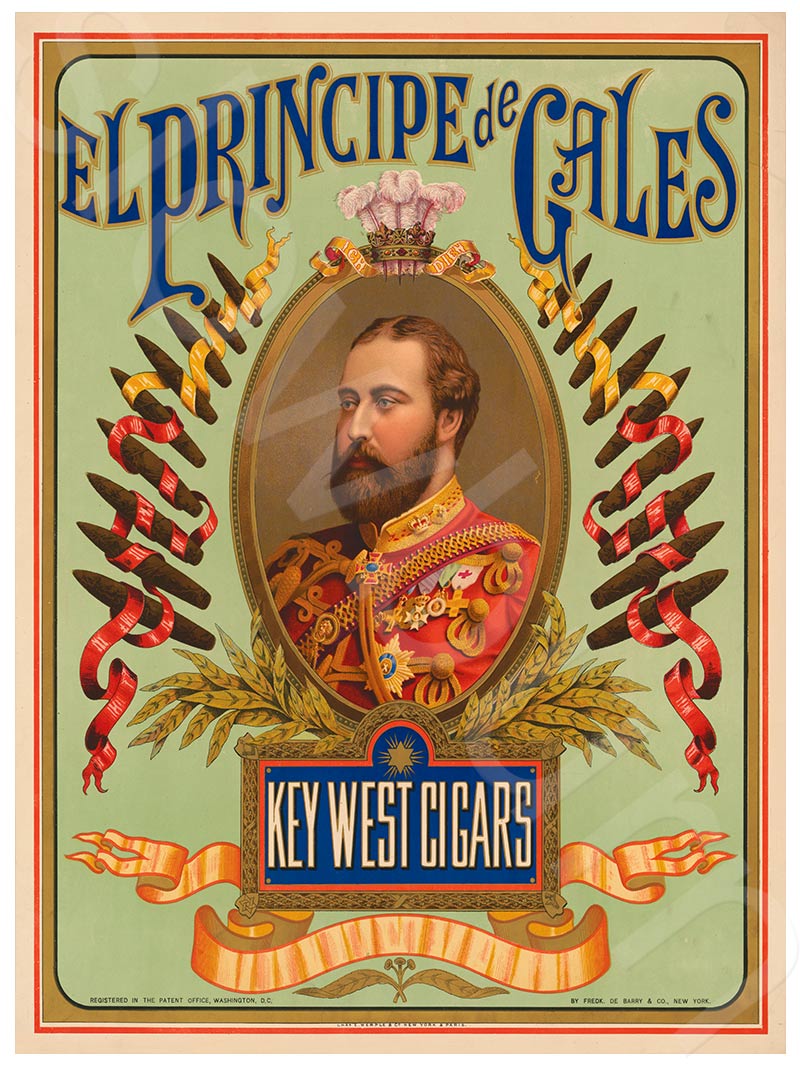
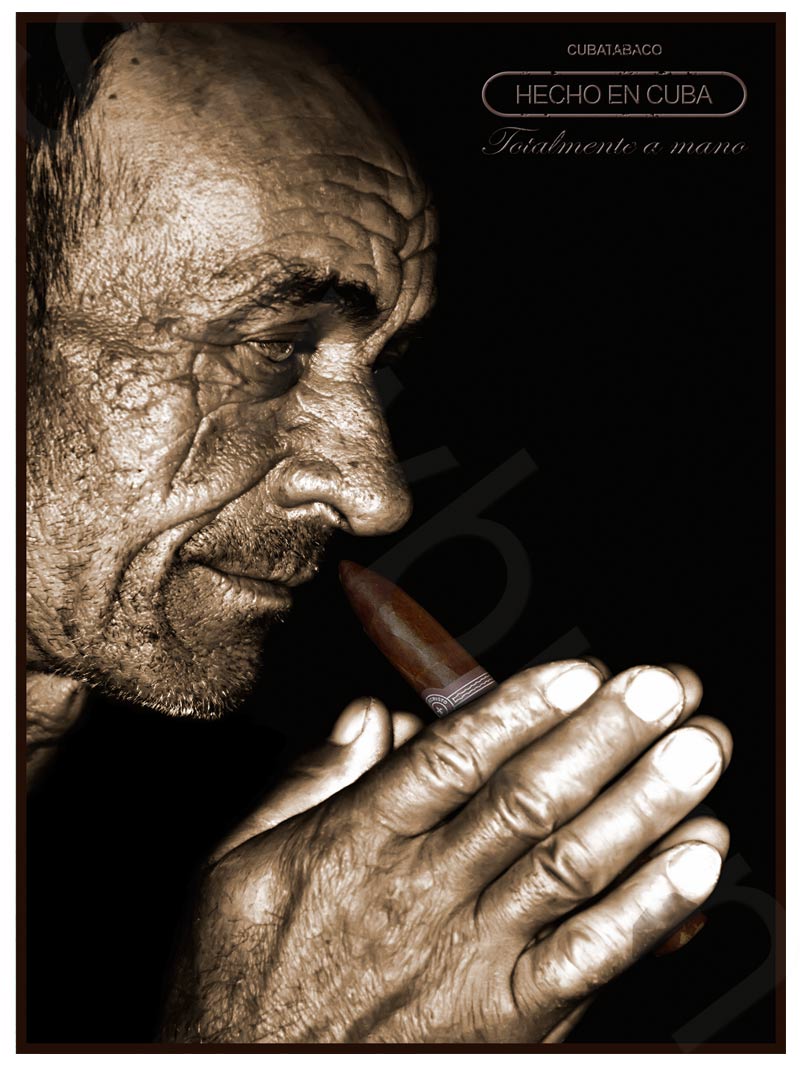
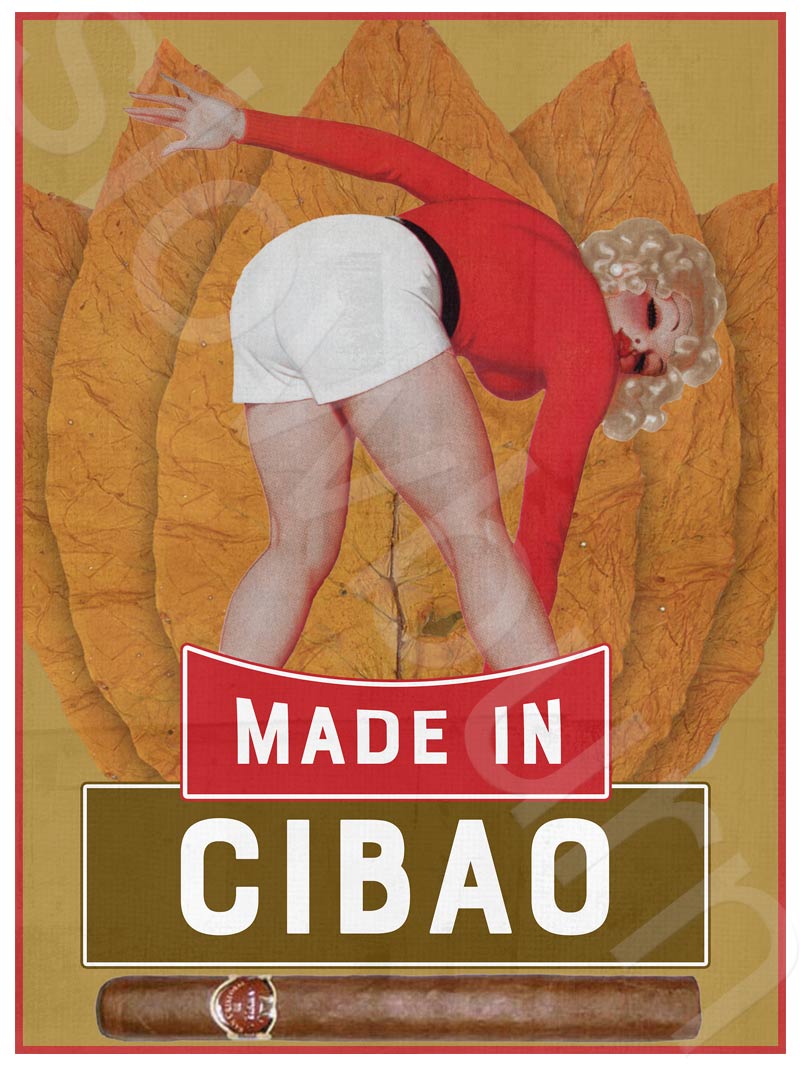
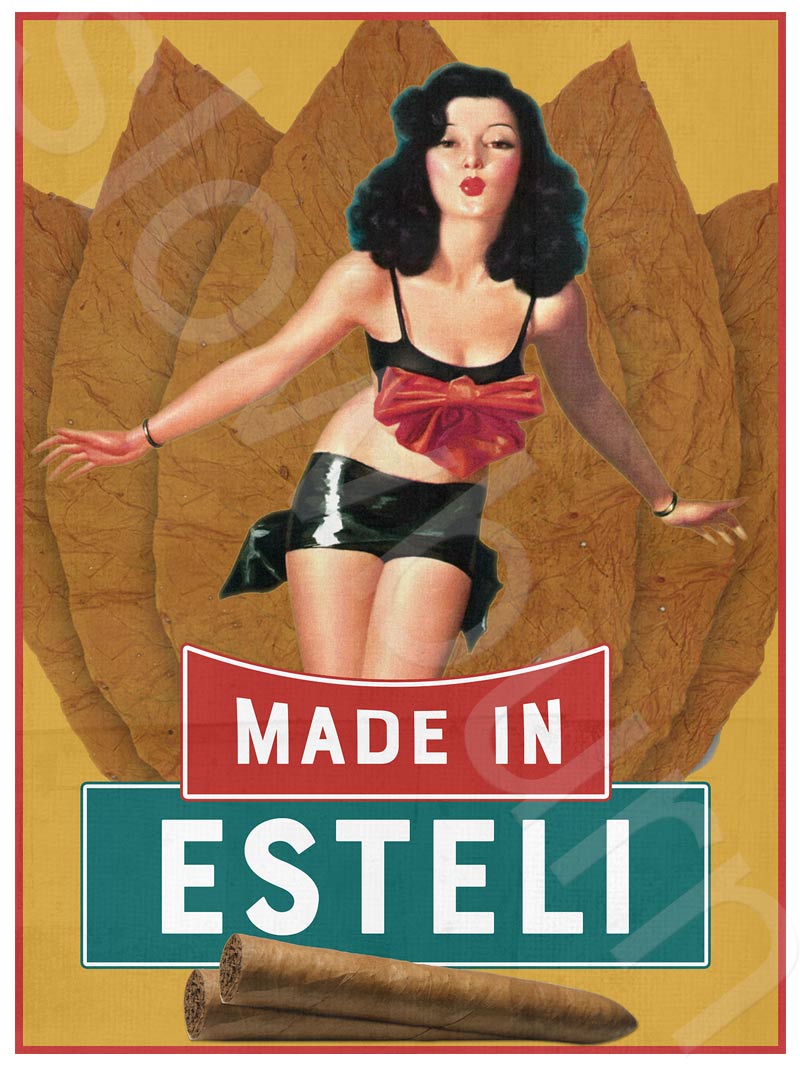
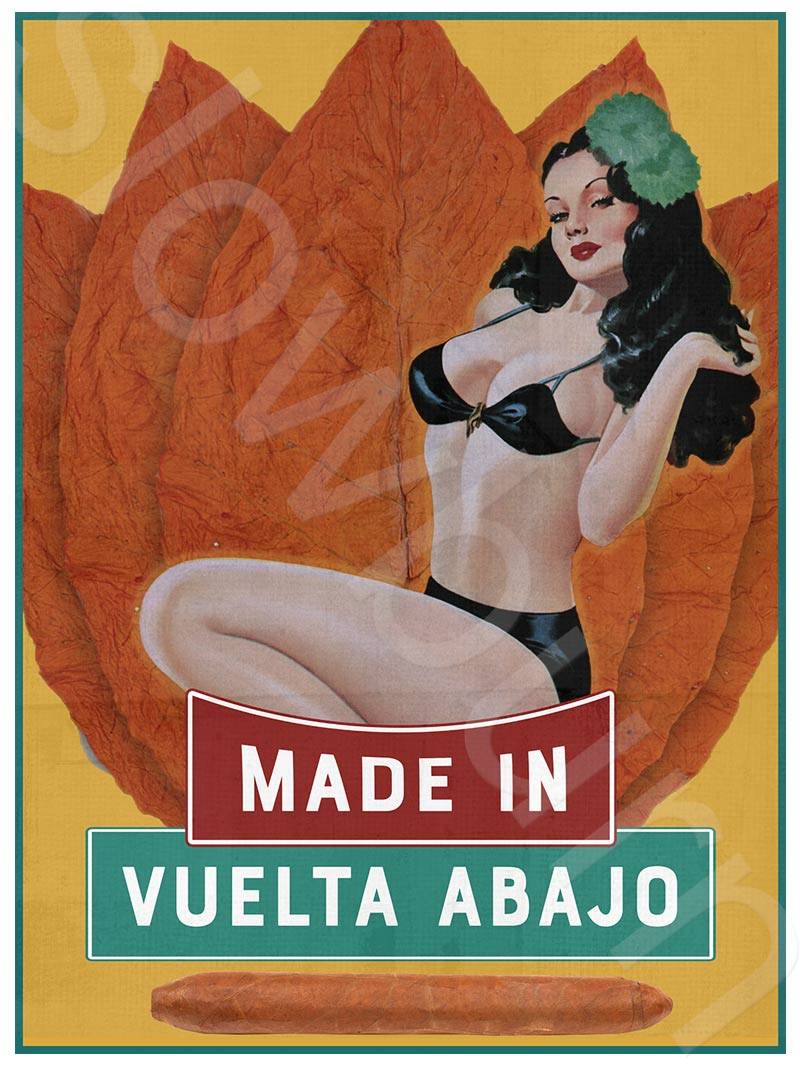
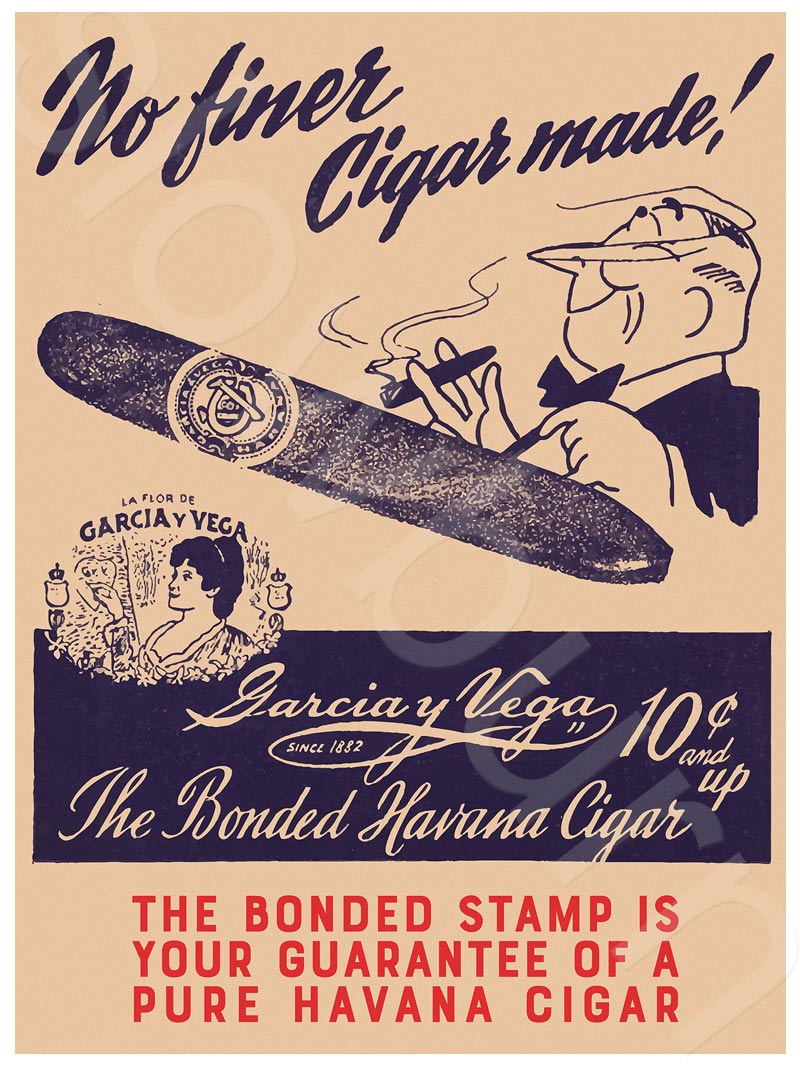
Vintage-inspired cigar art prints rendered in the bold, flat-color style of the golden era of American poster art. Each print celebrates the craft, culture, and romance of fine tobacco.
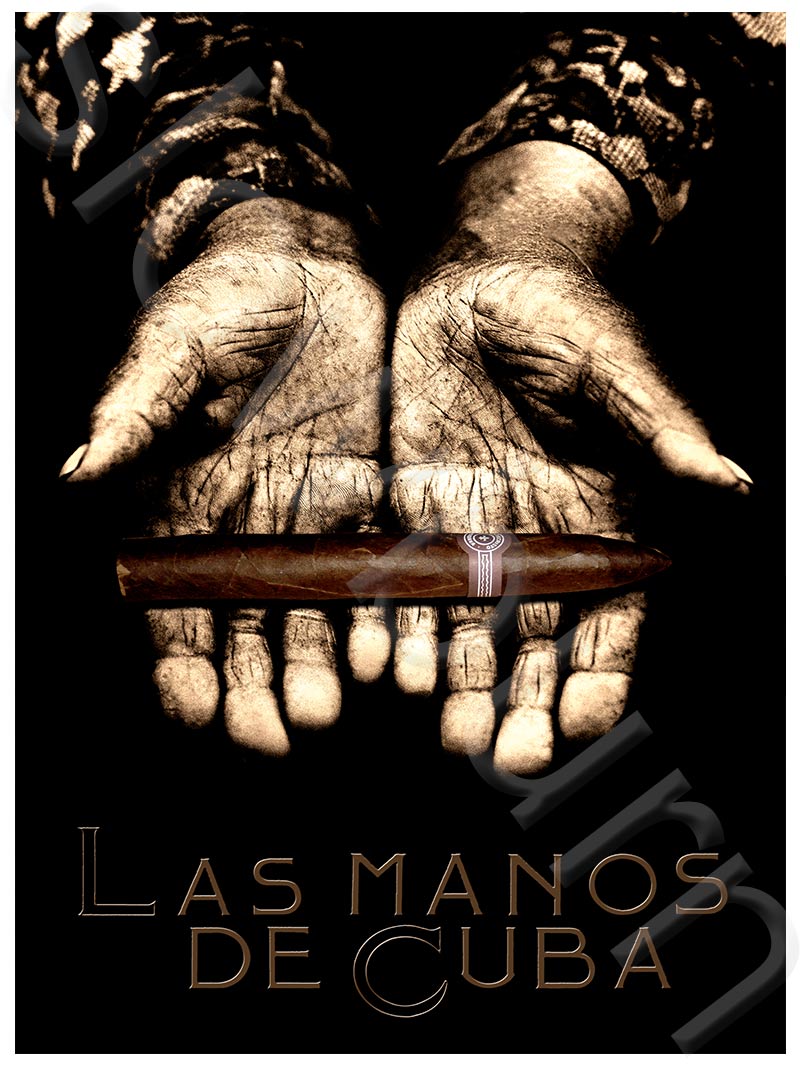
Each design is rendered in the bold, flat-color palette of vintage poster art — cigar bars, tobacco regions, legendary blends, and the culture of the leaf.
Every Slow Burn Gallery design is available as a premium reprint in your choice of Satin PolyPro or Roll Canvas — in four sizes, shipped rolled in heavy-gauge mailing tubes, ready to frame.
Slow Burn Gallery was founded by a lifelong cigar enthusiast with a deep reverence for the golden age of American poster art. We saw a world celebrated in the leaf — in the rolling rooms of Havana, the volcanic valleys of Nicaragua, the sun-drenched fields of the Dominican Republic — and asked: why hasn't anyone made the art it deserves?
Inspired by the bold, flat-color graphic tradition of the WPA and the vintage cigar box labels of the early 20th century, we set out to create a definitive collection of fine art prints that honor the culture, craft, and romance of the premium cigar world.
Every print is designed in-house, produced on archival materials, and printed to museum standards. These are not posters. They are art — for the humidor room, the study, the bar, or anywhere a person of refined taste chooses to hang them.
Explore the CollectionWe hold our prints to the same standard we hold our cigars — only the finest materials, produced with uncompromising care.
Every design is created by hand, drawing on the traditions of WPA poster art, vintage cigar box lithography, and mid-century graphic design.
All posters are printed on 100% cotton rag, acid-free, archival-grade paper — the same stock used by fine art museums worldwide.
We use only museum-grade pigment-based inks with a 100-year lightfast rating. Your print will look as good in 2075 as it does today.
Every print is produced domestically. We believe in supporting American craftspeople and standing behind every piece we ship.
From the sacred ceremonies of the Taíno to the storied rolling rooms of Havana, the premium cigar is one of the most richly layered traditions in the history of human pleasure.
Long before the first Spanish galleon crossed the Atlantic, the indigenous Taíno and Arawak peoples of the Caribbean islands were cultivating and smoking Nicotiana tabacum — the tobacco plant — in ceremonial cohoba rituals that date back more than two thousand years. When Christopher Columbus made landfall on the island of Hispaniola in 1492, his crew encountered natives offering gifts of dried tobacco leaves. Rodrigo de Jerez, one of Columbus's sailors, became the first European to smoke a cigar and was later imprisoned by the Spanish Inquisition for the seemingly diabolical act of exhaling smoke from his mouth.
The indigenous word for the rolled tobacco leaf — tabaco — passed into the Spanish language and eventually into every tongue on earth. The West Indies, blessed with volcanic soil, tropical humidity, and the warm Caribbean trade winds, proved to be the most fertile tobacco-growing region the world had ever known. Cuban tobacco, Jamaican leaf, Dominican wrapper, and the rich dark earth of the Vuelta Abajo valley in Pinar del Río province — these became the sacred geography of the cigar world.
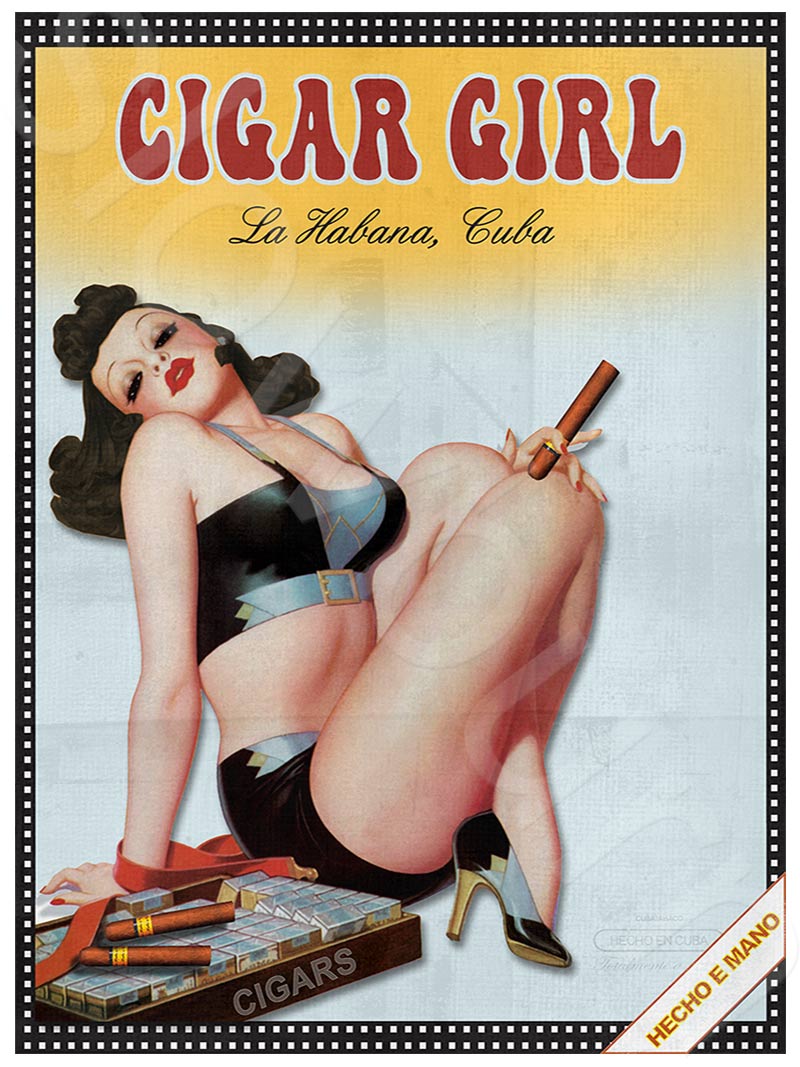
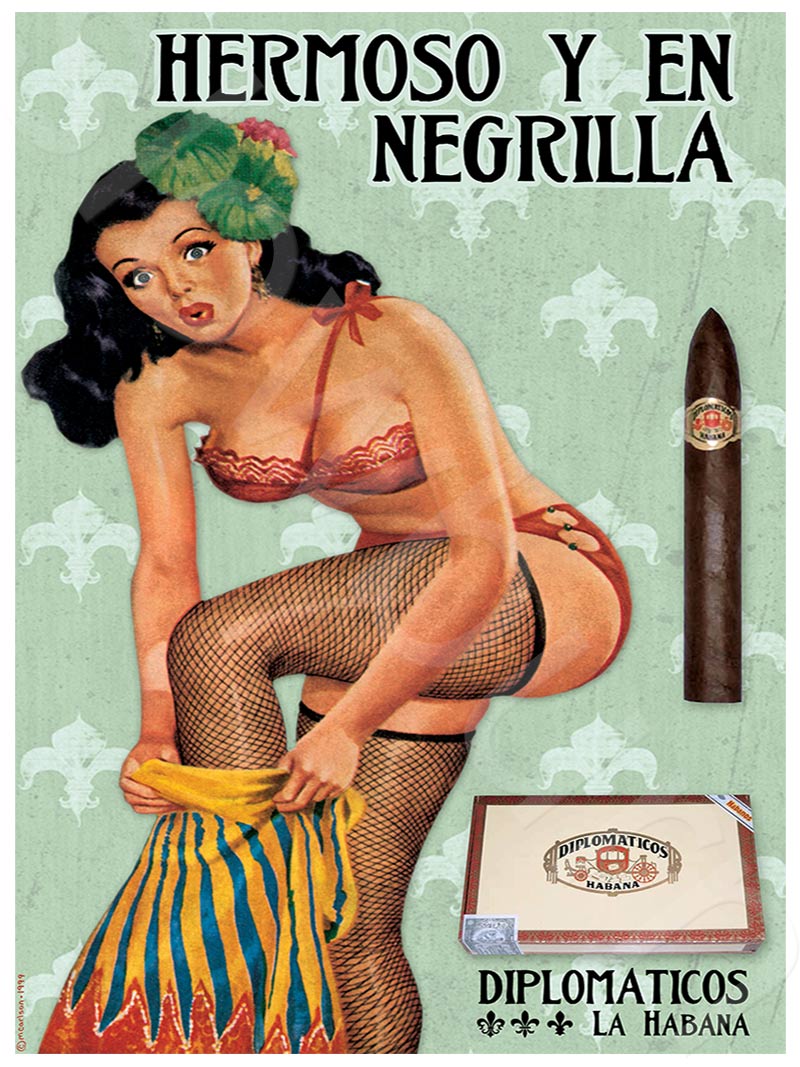
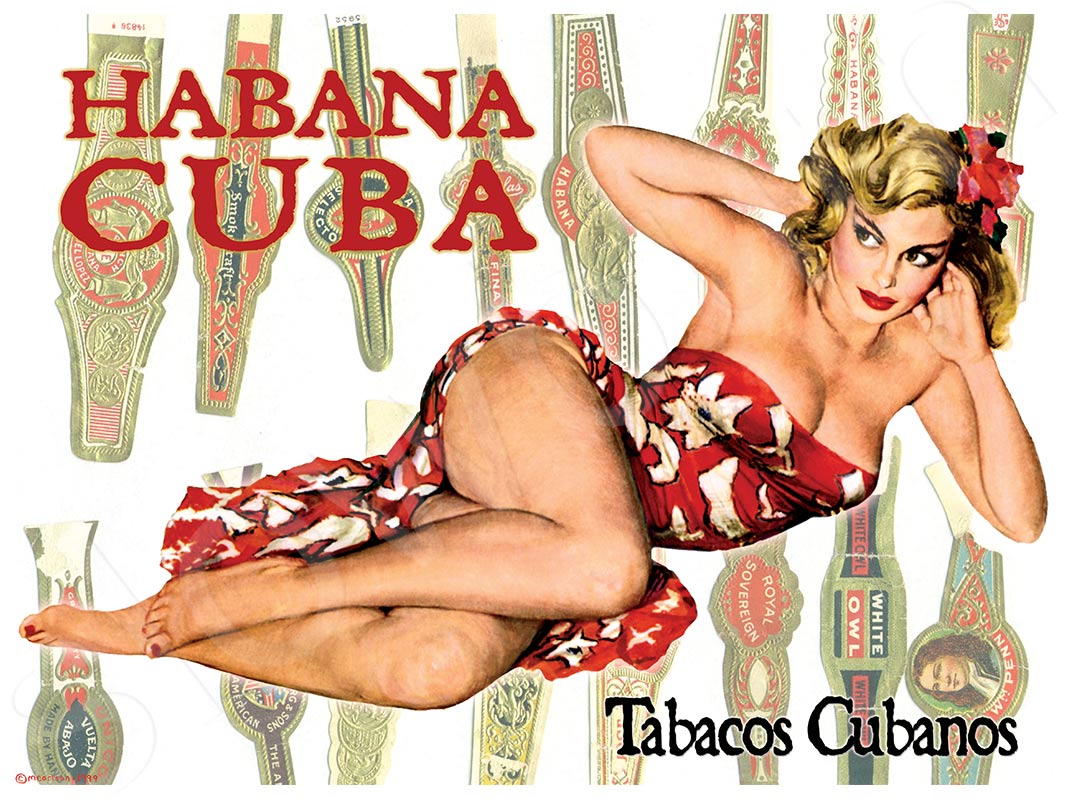
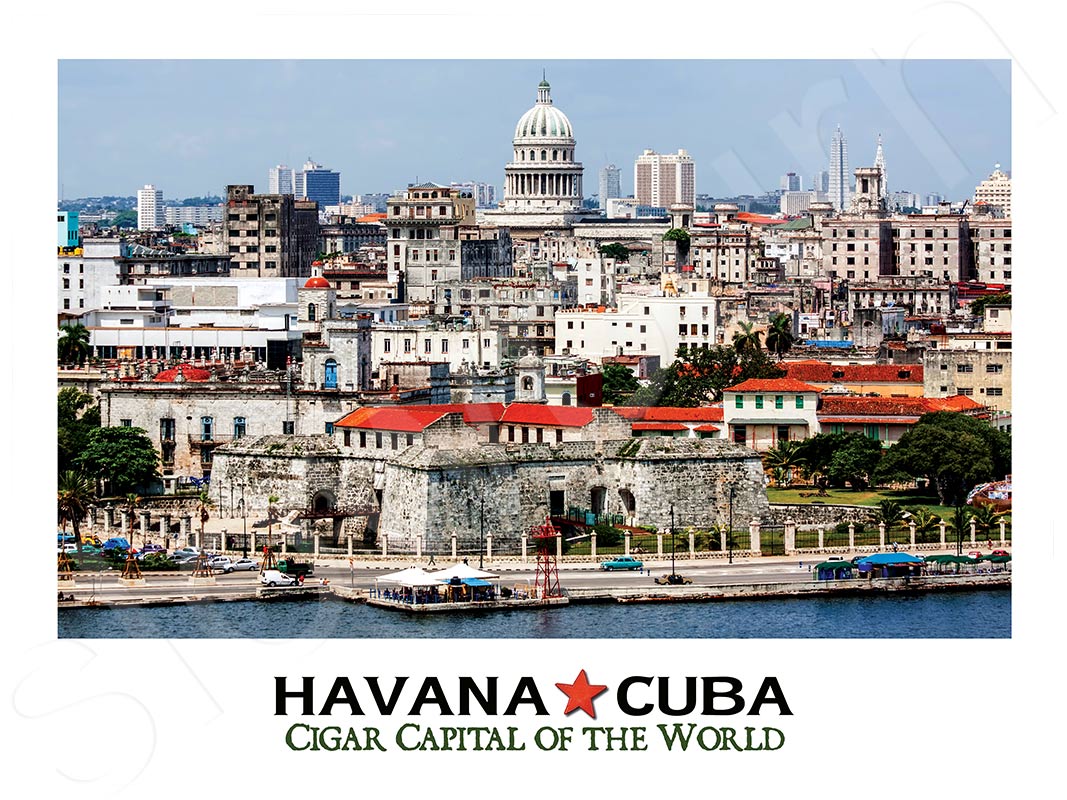
By the 17th century, Cuba had established itself as the undisputed capital of premium cigar production. The Spanish Crown recognized the extraordinary quality of Habanos — Havana cigars — and granted Cuba a tobacco monopoly that would last for generations. The rich, red clay soils of the Vuelta Abajo region in western Cuba produced a leaf so complex, so perfectly balanced in oils and sugars, that master blenders and aficionados have never found its equal. The terms Cuban cigar, Habano, and hand-rolled cigar became synonymous with the highest standard of tobacco craftsmanship.
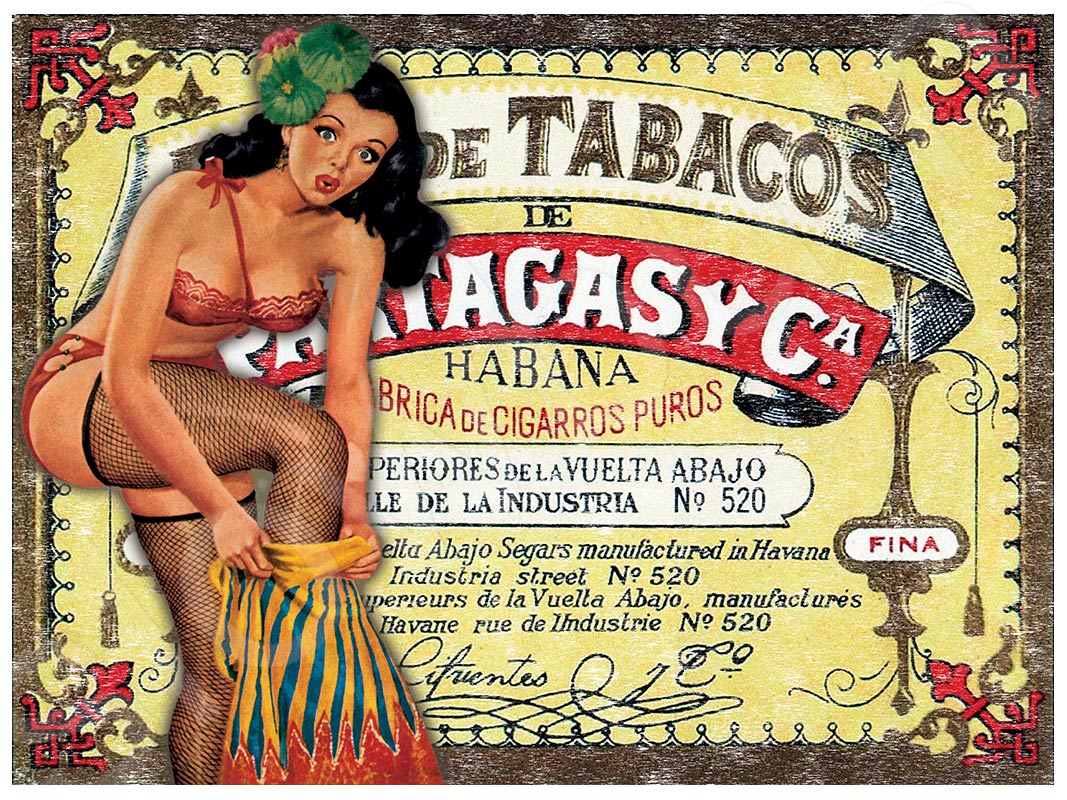
La Habana's great cigar factories — the Partagas factory on Calle Industria, founded in 1845; the H. Upmann factory; the legendary Romeo y Julieta and Montecristo brands — produced millions of premium handmade cigars for the crowned heads of Europe, the statesmen of the Americas, and the growing merchant class that had discovered the singular pleasure of a fine smoke. The torcedor — the master cigar roller — became one of the most respected craftspeople in Cuban society, trained for years to roll the perfect corona, robusto, torpedo, or Churchill.
In the rolling rooms, a lector — a reader — would read aloud from novels, newspapers, and political tracts to the assembled rollers, giving birth to a culture of working-class intellectualism unique to the Cuban cigar tradition. Many of the great cigar brands take their names from this literary culture: Montecristo from the Count of Monte Cristo, Romeo y Julieta from Shakespeare, Por Larrañaga from the works read aloud on the factory floor.
While Cuba dominated the premium cigar world for centuries, the rest of the Caribbean and Central America developed their own extraordinary tobacco traditions. The Dominican Republic — particularly the fertile Cibao Valley near Santiago de los Caballeros — emerged as a world-class growing region producing leaf of exceptional complexity. Dominican cigars, wrapped in silky Connecticut shade, Cameroon, or rich Corojo leaf, earned international recognition for their refined, medium-bodied character. Brands like Arturo Fuente, La Gloria Cubana, and Davidoff made the Dominican Republic the largest exporter of premium handmade cigars in the world.
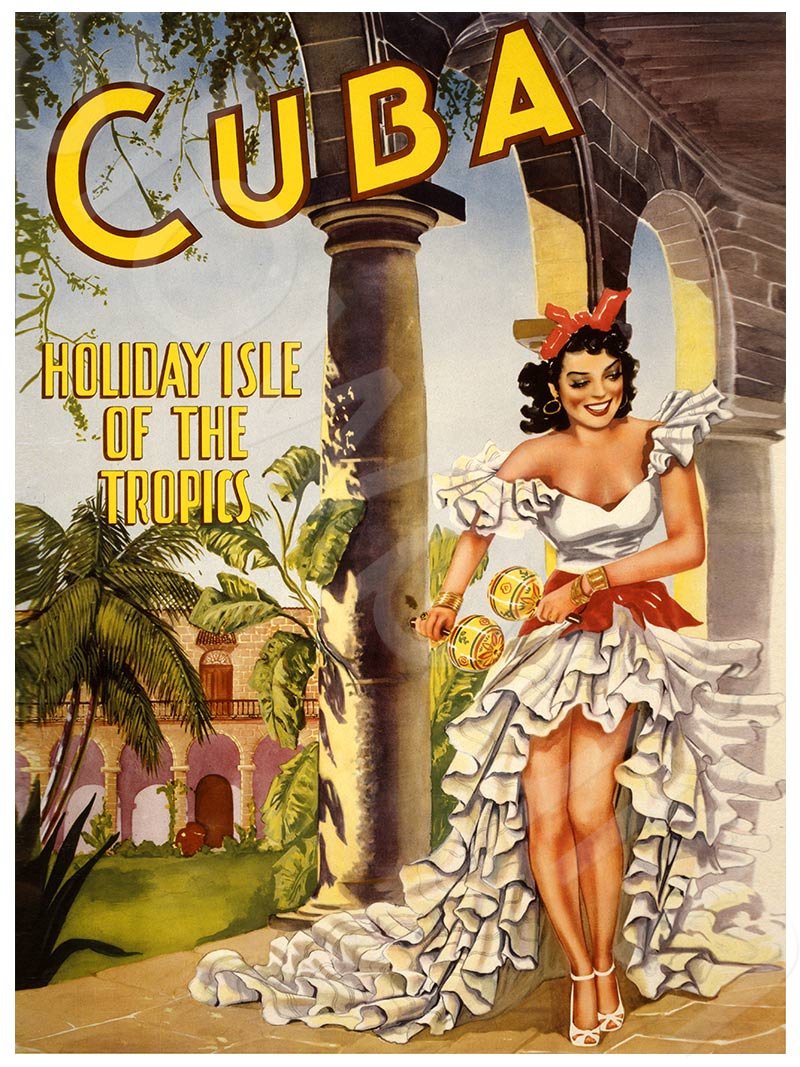
Nicaragua — and in particular the volcanic highlands of Estelí, Jalapa, and Condega — emerged in the late 20th century as perhaps the most exciting new frontier in premium tobacco. The mineral-rich volcanic soil, the elevation, and the ideal drying conditions of Nicaragua's northern valleys produce a leaf of extraordinary body and complexity: bold, peppery, and richly aromatic. Nicaraguan puro cigars — made entirely from Nicaraguan tobacco — have achieved cult status among serious aficionados seeking a powerful, full-bodied smoke.
Honduras, Jamaica, and Ecuador complete the West Indies and Caribbean tobacco story, each contributing unique wrapper and filler leaf to the global palette of the master blender. The Connecticut River Valley in the United States — though far from the tropics — produces the famed Connecticut shade wrapper, grown under cheesecloth canopies to create a pale, silky, mild leaf that has graced the finest cigars for over a century.
The production of a premium handmade cigar — a puro hecho a mano — is one of the most complex and demanding craft traditions in the world. A master torcedor spends years learning to select, prepare, and roll the three essential components of a great cigar: the filler (the blend of tobacco at the center), the binder (the leaf that holds the filler together), and the wrapper (the outermost leaf, which contributes as much as 60% of the cigar's final flavor).
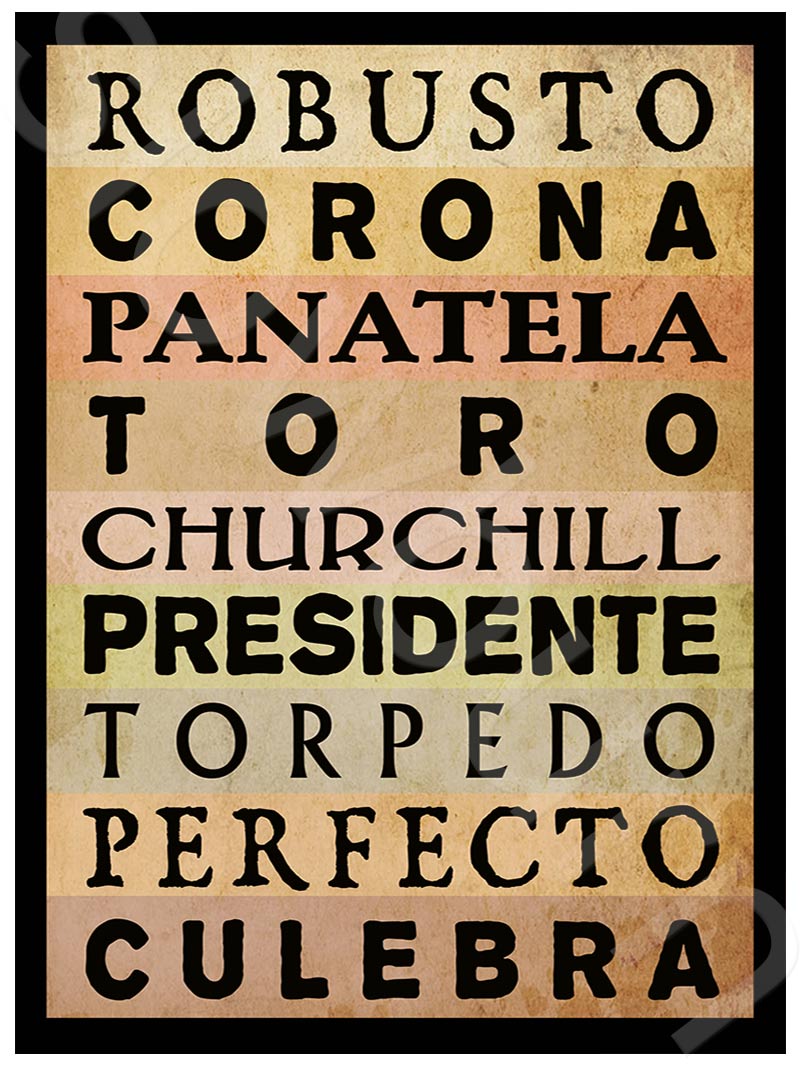
The great cigar vitolas — the shapes and sizes that define the cigar world — each carry their own character and smoking profile. The Robusto (5 inches, 50 ring gauge) is perhaps today's most popular format: compact, concentrated, and full of flavor. The stately Churchill (7 inches, 47 ring gauge), named for the British Prime Minister who reportedly smoked ten cigars a day, offers a long, contemplative smoke. The elegant Lonsdale and the dramatic Torpedo or Belicoso — tapered to a point at the head — demand the highest skill from the roller and deliver the most complex smoking experience.
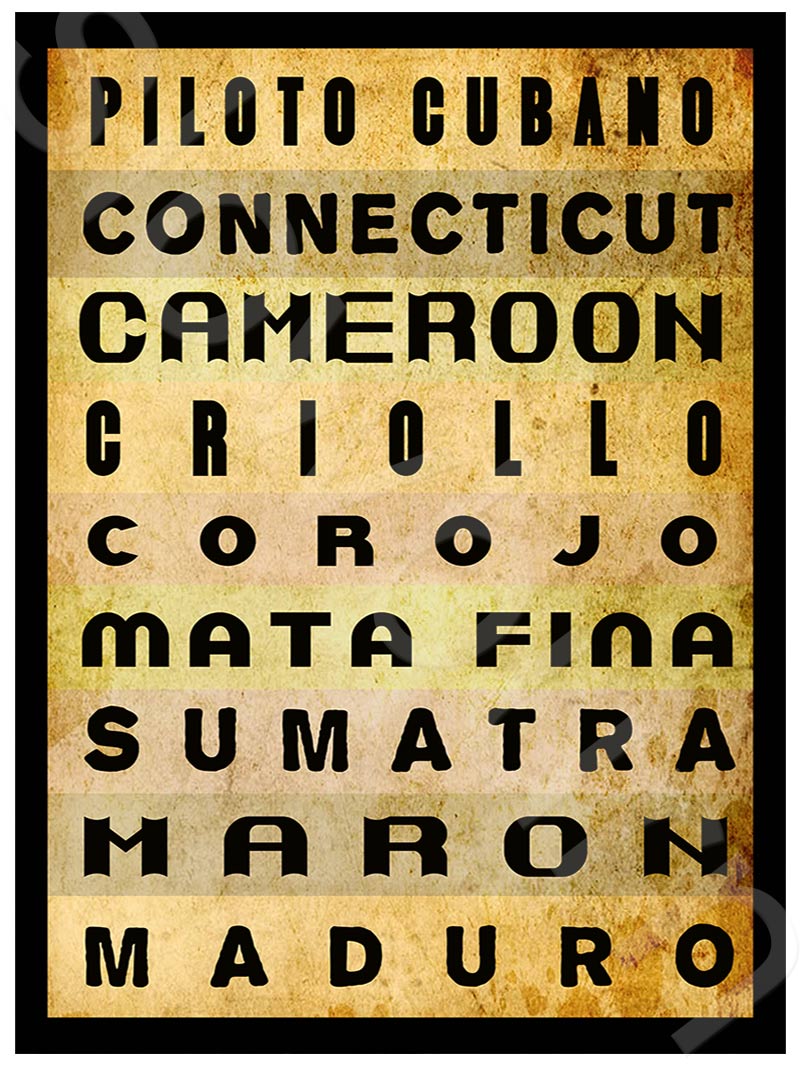
Wrapper leaf is the crown jewel of the premium cigar world. The great wrapper varieties — Maduro (fermented to a dark, oily sweetness), Claro (pale and mild), Colorado Claro, Colorado Maduro, Corojo, Criollo, Habano 2000, and the rare Oscuro — each impart their own character to the finished cigar. The Vuelta Abajo Corojo wrapper, grown from seeds brought to Cuba centuries ago, remains the most prized in the world.
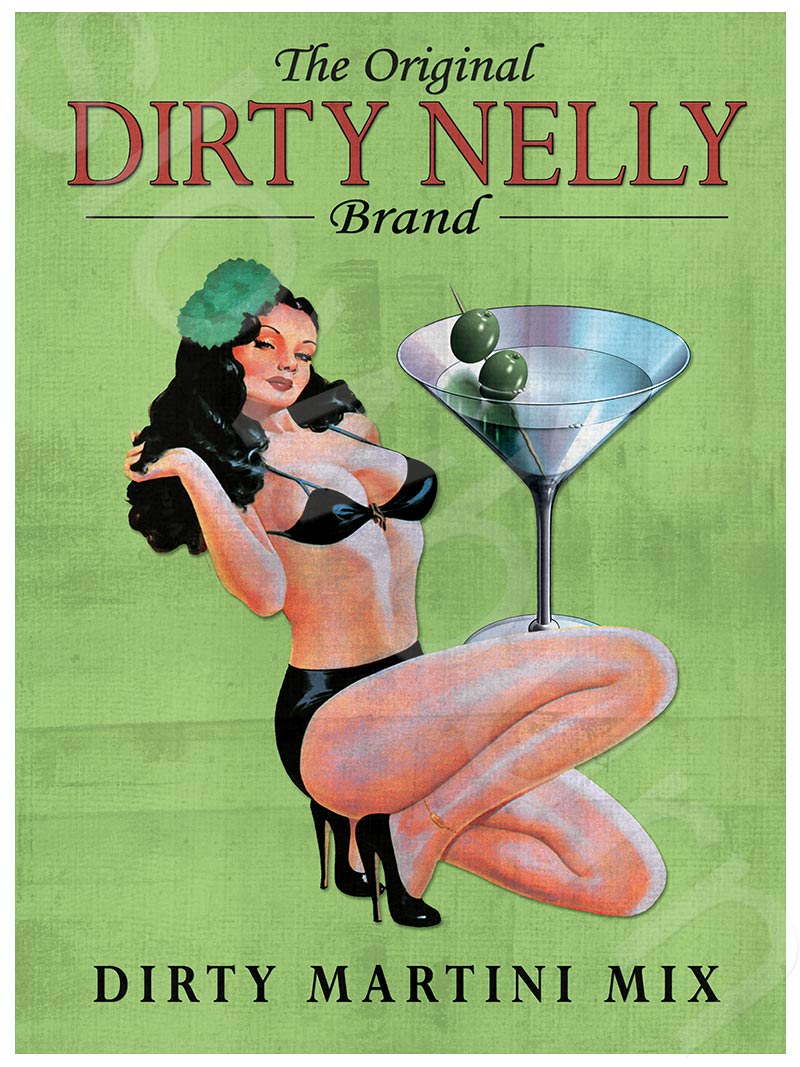
In 1886, Cuban cigar manufacturer Vicente Martinez Ybor relocated his cigar operations from Key West to a patch of scrubland northeast of Tampa, Florida — founding the community that would bear his name. Ybor City quickly grew into one of the most remarkable industrial communities in American history: a multicultural enclave of Cuban, Spanish, and Italian immigrants producing millions of hand-rolled cigars for the American market. At its peak in the early 20th century, Ybor City was home to more than 200 cigar factories employing over 12,000 torcedores and producing over 500 million cigars annually.
The lectores of Ybor City — like those in Havana — read aloud to the workers from elevated platforms in the rolling rooms, creating a community of remarkable intellectual and political ferment. José Martí, the Cuban independence hero, delivered some of his most famous speeches in Ybor City's cigar factories, rallying support for Cuban independence from Spain. The legacy of Ybor City lives on today in Tampa's cigar culture, in the Columbia Restaurant — the oldest restaurant in Florida — and in the handful of remaining hand-rolling operations that carry the tradition into the 21st century.
The 1990s witnessed a spectacular renaissance of interest in premium handmade cigars across the United States and Europe. Driven by a generation of affluent consumers seeking authentic luxury experiences, the cigar boom of 1992–1998 saw demand for premium cigars skyrocket. Cigar Aficionado magazine — launched in 1992 by Marvin Shanken — placed the premium cigar at the center of an aspirational lifestyle culture, gracing its covers with Hollywood stars, sports legends, and world leaders, all united by the cigar.
The great cigar brands — Arturo Fuente Hemingway, Padron 1964 Anniversary, Cohiba Esplendido, Davidoff Grand Cru, Opus X — achieved near-mythical status. Walk-in humidors became fixtures of luxury hotels. Cigar lounges opened in every major American city. The Churchill, the Double Corona, and the Presidente became symbols of success, leisure, and the good life. The language of the cigar — draw, burn, ash, ring gauge, terroir, blend — entered the mainstream luxury vocabulary alongside wine and whiskey.
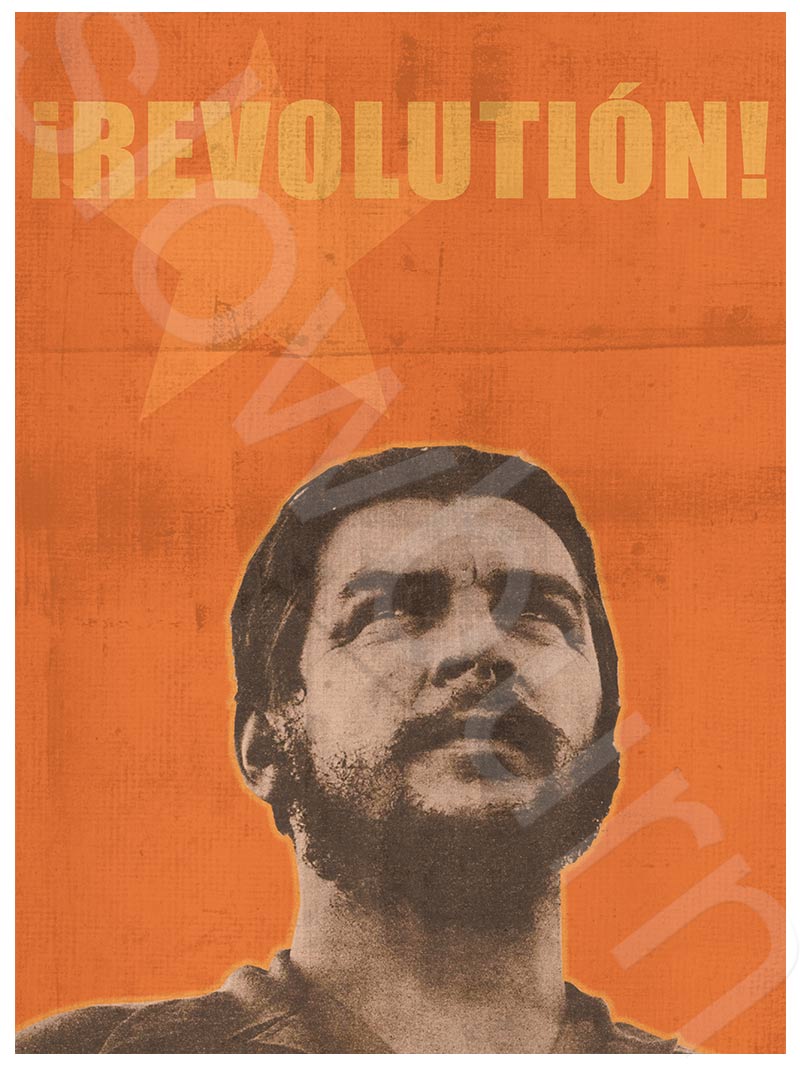
Today, the premium cigar world is broader, more diverse, and more sophisticated than at any point in its history. From the boutique small-batch productions of Nicaragua's Estelí valley to the centuries-old Habanos S.A. portfolio of Cuban classics, the serious cigar aficionado has never had more extraordinary options. The art of the slow burn — patient, contemplative, richly rewarding — endures as one of the great pleasures of civilized life.
A cigar ought not to be smoked solely with the mouth and the digestive organs, but with the hand, the eyes, and the spirit.— Zino Davidoff, cigar merchant and philosopher
Whether you're looking for a custom commission, have a question about an order, or simply want to talk cigars and art — we're always happy to hear from a fellow enthusiast.